
Loading...
Serving Spokane Valley, WA and surrounding areas. (509) 508-5560
Crumbling mortar lets water in and freeze-thaw cycles do the rest. We remove the damaged material, pack in color-matched mortar, and leave your brick sealed and protected before the cold arrives.
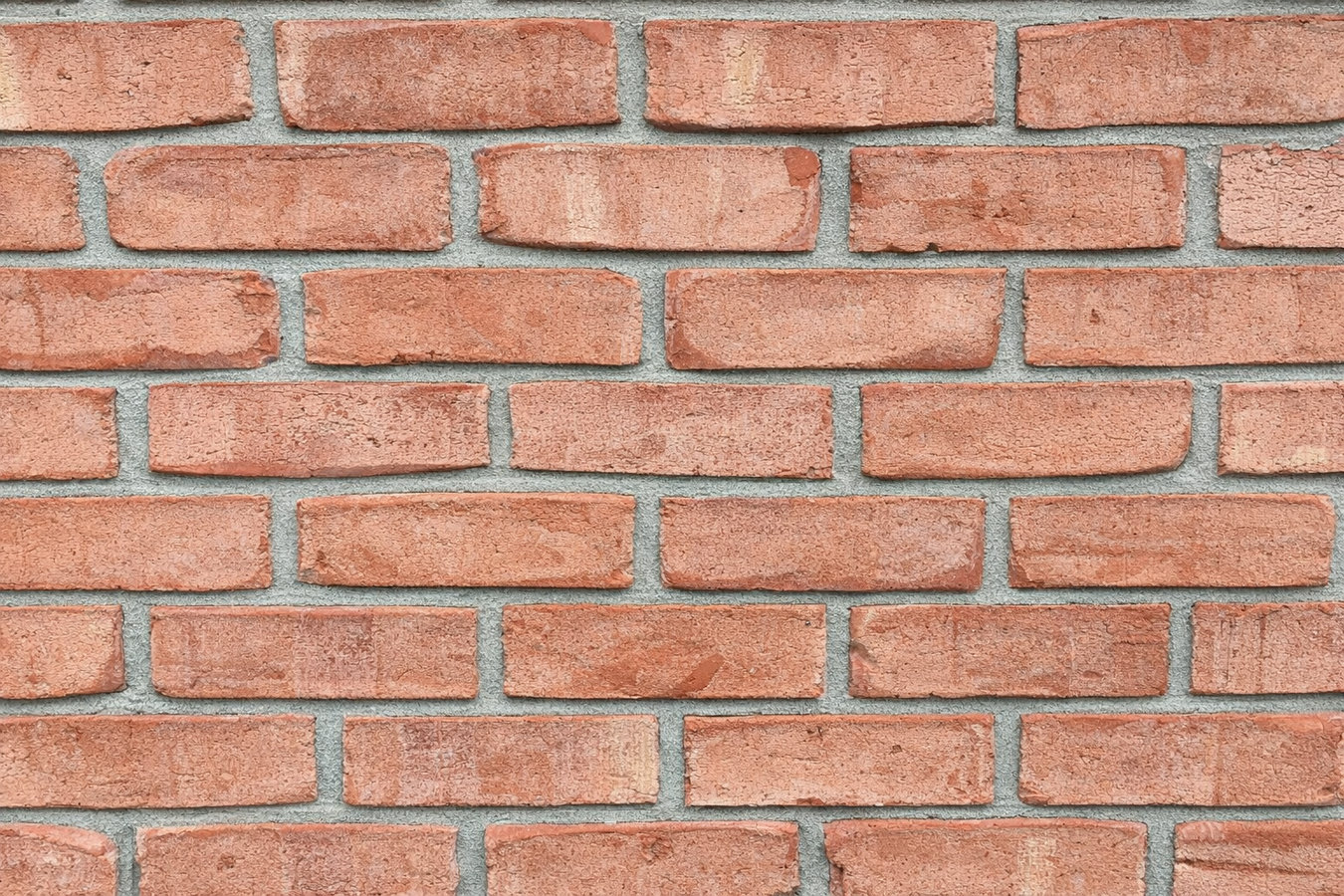
Tuckpointing in Spokane Valley removes crumbling or recessed mortar from the joints between bricks and replaces it with fresh, color-matched material, and most residential jobs - a chimney or a single wall - are finished in one to three days.
The mortar between your bricks is designed to sacrifice itself so the bricks stay intact - absorbing moisture, movement, and the stress of Spokane Valley's hard winters so the bricks don't have to. When that mortar wears out, water gets in and freeze-thaw cycles widen every gap a little more each season. Most mortar has a service life of 25 to 30 years, and many homes in Spokane Valley's established neighborhoods were built in the 1950s through 1970s - which means the original mortar is well past its replacement window. If your home also shows signs of chimney damage, our brick repair service addresses individual bricks that have cracked or spalled beyond what repointing alone can fix.
White deposits on your brick or chimney - called efflorescence - form when water moves through mortar joints, picks up dissolved minerals, and evaporates on the surface. In Spokane Valley, the local water supply draws from a mineral-rich aquifer, making this staining especially visible here. It is not structural damage, but it is a reliable sign that water is working its way through failing joints.
Run a finger along a mortar joint. If the material feels soft, crumbles under light pressure, or comes away easily, it has lost its binding strength. Healthy mortar feels hard and solid. If you can scrape it out with a key or a fingernail, it is no longer doing its job of keeping water out.
Spokane Valley's freeze-thaw cycles are hard on masonry. Walk around your home in early spring and look at the mortar lines on your chimney, foundation, or any brick walls. Hairline cracks that follow the joint lines - rather than cutting through the bricks themselves - are a classic sign of freeze-thaw damage and a strong indicator that tuckpointing is needed before another winter arrives.
Damp spots, water stains, or peeling paint on interior walls adjacent to brick, or water around your fireplace after rain, often trace back to failing mortar joints. Water does not need a large gap - even a hairline crack in a joint can let in enough moisture to cause interior damage over time. In Spokane Valley, spring snowmelt is a common trigger that reveals what a winter of freeze-thaw cycles has opened up.
Every tuckpointing job starts with grinding or cutting out the old, deteriorated mortar to a consistent depth - usually about three-quarters of an inch - then cleaning the joint before packing in fresh mortar by hand. We match the mortar mix to your existing joints in both composition and color, because mismatched mortar is one of the most common complaints homeowners have after masonry work. The joints are then tooled to match your existing profile, whether that is flat, rounded, or angled. For chimneys and exposed masonry that take direct weather exposure, we also offer brick pointing as part of a complete maintenance approach.
We work on all types of brick and stone masonry surfaces - chimneys, exterior walls, garden walls, retaining walls, and foundation veneers. Every job includes a written estimate before work begins and a walkthrough at completion so you can see exactly what was done and what to watch going forward. We do not smear mortar over the brick face and call it done - the finished surface should look like the joints were always there.
Best for homeowners whose chimney shows cracked or recessed mortar, white staining, or water getting into the firebox after rain.
Suited for homes where mortar across one or more exterior walls has deteriorated past the point of being protective, especially on older postwar-era brick homes.
Ideal for property walls and garden features where freeze-thaw movement has opened up joints and allowed water infiltration behind the wall face.
A targeted repair for homeowners who have a specific section of failing mortar and want to address it before it spreads to the rest of the wall.
For homeowners who are not sure how much mortar actually needs replacing - we walk the surface, note what is failing, and give you a clear picture before committing to any work.
Spokane Valley sits in a high desert climate where winter temperatures regularly drop below freezing and climb back above it - sometimes multiple times in a single week. Every time water trapped in a mortar joint freezes, it expands and pushes the joint a little further apart. Over years of this, mortar that looked fine in summer can be crumbling by spring. A significant share of Spokane Valley's housing stock was built during the postwar decades - neighborhoods including Veradale, Greenacres, and Opportunity have concentrations of brick ranch homes from the 1950s through 1970s. Mortar from that era is now well past its typical 25 to 30-year service life. The National Park Service Preservation Briefs on masonry repointing are widely used in the trade as a standard reference for mortar matching and joint preparation techniques.
The local water supply also plays a role - the Spokane Valley-Rathdrum Prairie Aquifer is known for high mineral content, which makes efflorescence more visible here than in softer-water regions. That chalky white staining is not cosmetic - it is a signal that water is moving through your joints. We serve homeowners throughout the area, including Liberty Lake and Millwood, two communities with older brick homes where mortar maintenance is a recurring need.
Tell us what you are seeing - white staining, crumbling joints, or a chimney that had a hard winter. We respond within one business day and schedule a free on-site estimate at a time that works for you.
We walk the surface with you, check joint depth and hardness, and note which sections need attention. You get a written estimate before agreeing to anything - no verbal quotes that change when the invoice arrives.
The crew grinds or cuts out old mortar to a consistent depth - this is the noisy part - then packs in fresh mortar matched to your existing joints. A full chimney typically takes one full day. Surrounding surfaces are protected from dust.
We clean mortar residue off the brick face, remove equipment, and walk the finished work with you before leaving. Fresh mortar needs 24 to 48 hours to set before it should get wet - we will advise on curing based on the season.
We will walk your chimney or wall, explain what is failing and what is fine, and give you a written estimate. No obligation. Most responses within one business day.
(509) 508-5560We test mortar samples before committing to a mix so the finished joints blend with your existing wall - not stand out as bright white lines against older, weathered brick. Mismatched mortar is one of the most common complaints after masonry work, and it is entirely avoidable when the matching step is taken seriously.
We use mortar mixes appropriate for this climate - including the mineral-rich local water that can affect how mortar cures and performs over time. Selecting the right mortar strength for your brick type matters here, because a mix that is too hard can actually cause the bricks to crack under freeze-thaw stress.
Spokane Valley's 1950s and 1960s brick homes are a significant part of our regular work. We know the construction standards and mortar profiles common in these neighborhoods, which means less time spent guessing and more time spent getting the match right on the first try.
Washington State requires contractors to hold an active license through the Department of Labor and Industries - you can verify any contractor at the Brick Industry Association also sets the mortar selection standards our crews follow. Every job includes written documentation of what was done and what to watch.
We bring local climate knowledge, careful mortar matching, and written documentation to every tuckpointing job in Spokane Valley - so the work holds up through what this area's winters actually bring.
When individual bricks have cracked, spalled, or pulled loose, repointing alone is not enough - we replace the damaged bricks and restore the wall to full strength.
Learn MorePrecision joint finishing on chimneys and exposed masonry where the profile and depth of every joint affects both weathering performance and appearance.
Learn MoreLocal contractors fill their calendars fast once the dry season starts - and waiting another winter means more freeze-thaw cycles working against your mortar joints.