
Loading...
Serving Spokane Valley, WA and surrounding areas. (509) 508-5560
Spokane Valley Concrete & Masonry is a masonry contractor serving Spokane Valley, WA with expert masonry restoration, foundation repair, and chimney repair. We have been on the ground here since 2016, working with the City of Spokane Valley's own building department and the freeze-thaw conditions that shape every job in this valley.
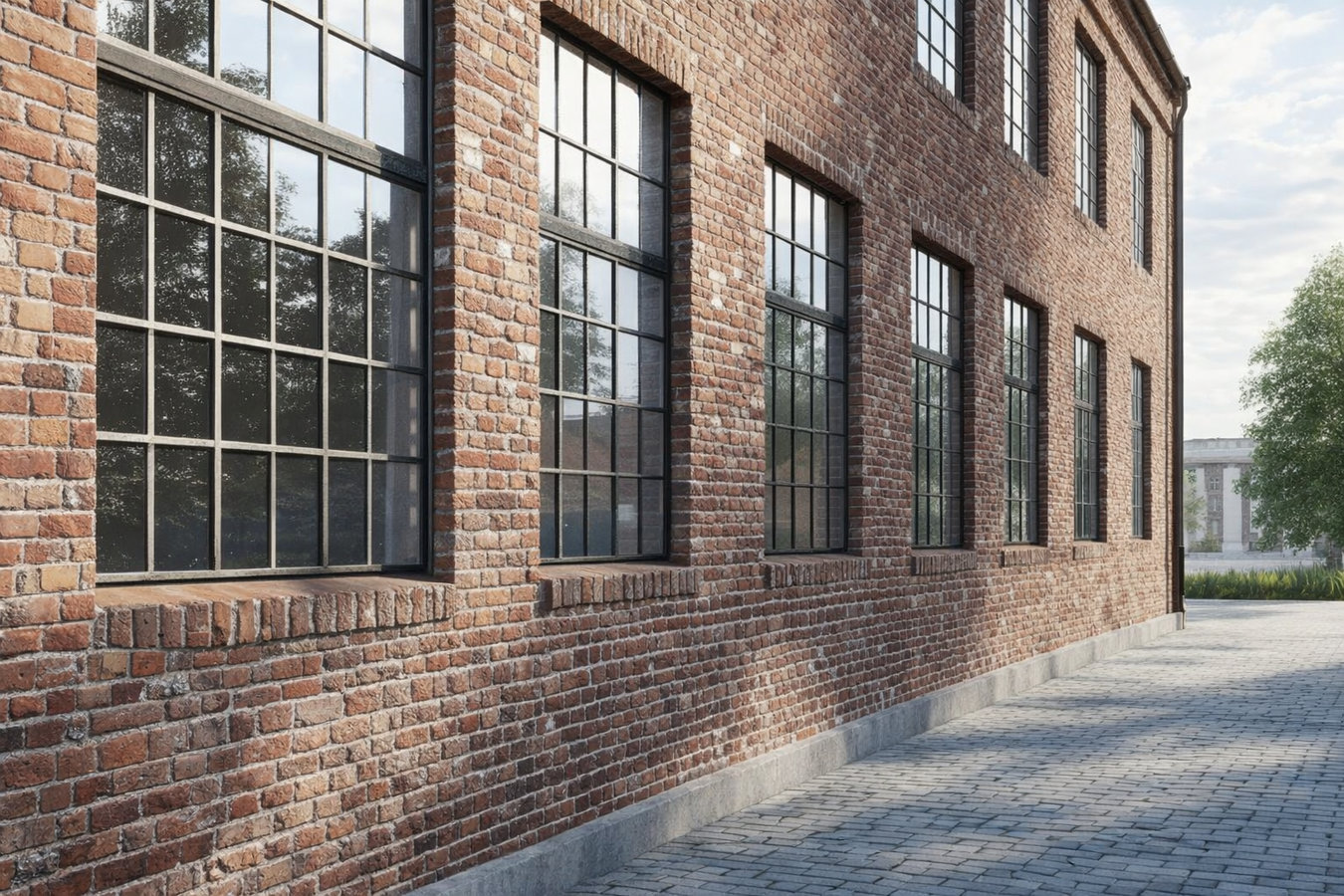
Spokane Valley's mid-century homes - built between the 1950s and 1980s - carry original brick chimneys and concrete block foundations that are now well past the point where mortar needs attention. Our masonry restoration service repairs and renews that aging masonry before another freeze-thaw winter makes the damage significantly worse.
Much of Spokane Valley sits on loess - a fine, silty soil that shifts when it gets wet. Combined with the area's freeze-thaw cycles, this soil movement is one of the main reasons local foundations develop cracks and settling over time. We assess and repair foundation damage with that local soil reality in mind.
Spokane Valley averages around 45 inches of snow per year, and that snow load - combined with heavy spring snowmelt - puts real stress on chimney caps and mortar crowns. If your chimney cap is missing or cracked, every snowfall this winter sends water straight down your flue.
Spokane Valley's glacial terrain includes pockets of low ground and drainage channels that can put pressure on yard slopes. A properly built masonry retaining wall manages that soil and water movement before it becomes a landscape or foundation problem.
Mortar joints in Spokane Valley chimneys and brick veneer age faster than in milder climates because each freeze-thaw cycle chips away at them. Tuckpointing replaces that failed mortar before water finds its way into the wall and starts cracking bricks from the inside.
Ranch-style homes from the 1960s and 1970s are common across Spokane Valley, and many have brick veneer that has been through 40 to 60 winters. Spalling or cracked bricks on these homes need to be matched and replaced before the damage spreads to the surrounding wall.
Spokane Valley sits in a semi-arid, high-desert climate where winter temperatures regularly drop below freezing and spring temperatures climb back above it - sometimes multiple times in a single week. That repeated freeze-thaw cycle is the single biggest driver of masonry damage in this area. Water seeps into small cracks in mortar joints and brick faces, freezes, expands, and widens those cracks with every cycle. A masonry contractor who has not worked in this specific climate is likely to underestimate how fast the damage progresses and what materials hold up over time here.
The housing stock adds another layer of complexity. A large share of Spokane Valley neighborhoods were built between the 1950s and 1980s, on foundations and with chimney systems that predate current standards. Much of the valley also sits on loess - a fine-grained soil deposited by ancient winds - that shifts when it saturates during spring snowmelt. That soil movement puts stress on foundations and retaining walls that a contractor unfamiliar with eastern Washington soils may not anticipate. Spokane Valley also has its own building department and permit process, separate from the City of Spokane, which means structural masonry work here requires pulling permits through the right office.
We have been working in Spokane Valley since 2016 and pull permits directly through the City of Spokane Valley's Community and Public Works Department for any structural masonry work that requires one. That relationship with the local building division means we know which projects need permits and how to keep your job moving without unexpected delays.
Our crew works across all of Spokane Valley - from the older neighborhoods near Sullivan Road and the Spokane Valley Mall corridor to the newer subdivisions in the Greenacres and Opportunity areas on the eastern and southern edges of the city. Homes near the Centennial Trail and the Spokane River corridor tend to sit on lower ground and can have different drainage and moisture conditions than properties up on the higher parts of the valley floor. We factor that in when we assess a job.
We also work regularly in neighboring communities. If you have a family member or neighbor in Millwood or out in Liberty Lake, we serve those areas as well. The masonry conditions in this whole eastern Spokane County corridor are similar, and we bring the same approach to every job regardless of which city the address falls in.
Describe what you are seeing - cracks in a wall, a damaged chimney, a leaning retaining wall. We respond within 1 business day and schedule a time to come out and look at your property in person.
We walk the property, inspect the masonry, and give you a clear picture of what is wrong and why. You get a written estimate covering scope, cost, and timeline - no vague quotes and no pressure to commit. This is also where we flag whether the project requires a City of Spokane Valley building permit.
Most residential masonry jobs in Spokane Valley take one to three days. You can stay in your home during the work. The crew handles permits and inspection coordination so you do not have to manage the building department yourself.
When the work is done, we clean up the site and walk you through what was completed. You receive written documentation of the repair - useful for your records and for any future buyer's inspection. If a city inspection is required, we schedule and attend it.
We serve all of Spokane Valley and respond within 1 business day. The assessment is free, the estimate is written, and there is no pressure to move forward before you are ready.
(509) 508-5560Spokane Valley incorporated as its own city in 2003, separating from unincorporated Spokane County after decades as a sprawling, largely suburban community east of Spokane. It is now one of the largest cities in Washington State, with roughly 102,000 residents spread across about 38 square miles of flat valley floor. The housing stock reflects the city's growth history - most homes were built between the 1950s and 1990s, with ranch-style, single-story homes being the most common type throughout the older neighborhoods. These homes typically sit on slab foundations or crawl spaces, feature concrete driveways on mid-sized lots, and often have brick chimney stacks that have been through 40 to 70 winters without significant masonry attention. Newer subdivisions on the southern and eastern edges, near areas like Greenacres, feature more recent construction with different materials and different maintenance profiles.
The Spokane River runs through the northern part of the city, and the Centennial Trail follows it for miles, connecting neighborhoods along the river corridor to the rest of Spokane Valley and into the City of Spokane. CenterPlace Regional Event Center at Mirabeau Point Park serves as the community hub for events across the city. The valley is flat and well-connected by major arterials like Sullivan Road and Sprague Avenue, making it easy for service crews to reach any neighborhood quickly. Spokane Valley borders several communities with similar masonry service needs - including Spokane to the west and Liberty Lake to the east - and we serve homeowners throughout this entire corridor.
Restore your foundation's strength and protect your home's structural integrity.
Learn MoreControl erosion and reshape your landscape with a solid retaining wall.
Learn MoreAdd warmth and character to your home with a custom masonry fireplace.
Learn MoreTransform any surface with natural or manufactured stone veneer cladding.
Learn MoreBuild strong, long-lasting walls with precision concrete block construction.
Learn MoreLay a solid foundation with expert block wall installation services.
Learn MoreAdd timeless curb appeal and lasting value with brick wall construction.
Learn MoreRepoint deteriorating joints to prevent moisture damage and extend wall life.
Learn MoreWe have been serving Spokane Valley homeowners since 2016. Free estimates, written quotes, and permit handling included.