
Loading...
Serving Spokane Valley, WA and surrounding areas. (509) 508-5560
Natural stone holds up to Spokane Valley winters better than almost any other material. We build and restore stone walls, steps, and garden features that look great from day one and keep looking great for decades.
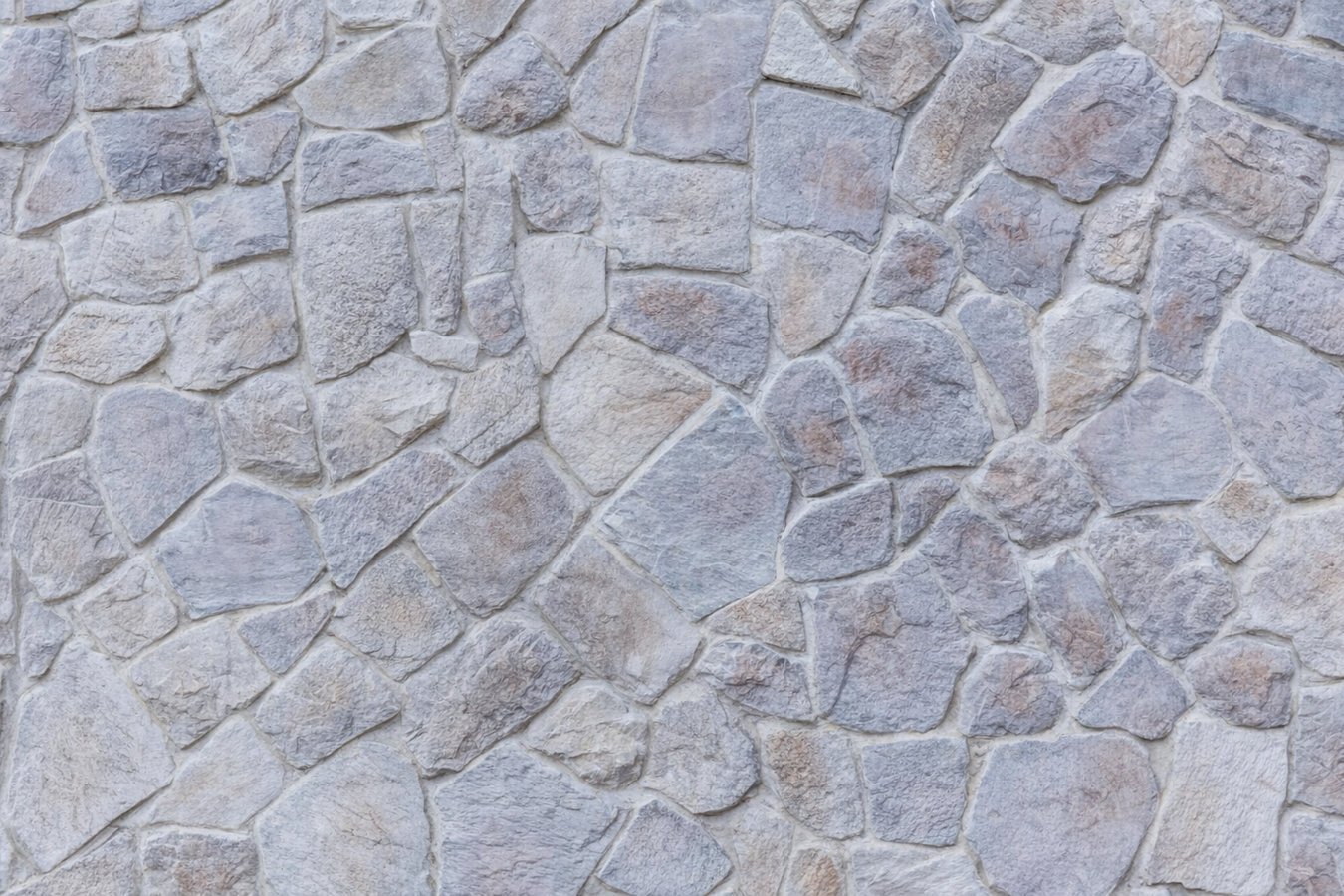
Stone masonry in Spokane Valley means selecting freeze-rated stone, setting a concrete footing to the local frost depth, and fitting each piece by hand - most garden walls and step projects complete in one to five days, while larger retaining walls or outdoor structures run one to two weeks.
The Inland Northwest sits on basalt and glacial outwash - the same geology that gives this region some of the best natural building stone in the Pacific Northwest. Stone that comes out of this area has already survived Spokane Valley winters for thousands of years, which tells you something about its durability. The work itself is slower than poured concrete or block construction because each stone is fitted individually - that time is what produces the texture and character that makes a finished stone wall look like it has always belonged there. For projects where the look of natural stone is the goal but the scope calls for a thinner application, our stone veneer installation service achieves a similar result at a lower material cost.
The Mason Contractors Association of America publishes best-practice guidance on stone selection, mortar mix design, and cold-weather masonry installation - standards we follow on every Spokane Valley stone project.
A stone wall that used to be plumb but now leans, has individual stones sitting slightly out of place, or shows a visible gap at the top or base has foundation or mortar trouble. In Spokane Valley, this often starts after a wet winter when soil movement works on the footing. A leaning wall will not correct itself and gets worse with each freeze-thaw cycle.
Press your finger against the joints between stones on an older wall. If the mortar feels soft, powdery, or falls away with light pressure, it has reached the end of its life. Spokane Valley's freeze-thaw cycles pull moisture into failing joints each winter and push mortar out a little more each spring. Once joints open, water gets behind the stone and accelerates the damage rapidly.
The chalky white residue called efflorescence appears when water moves through a masonry structure and deposits mineral salts on the surface as it evaporates. Seeing this on a stone wall means water is getting in somewhere. In Spokane Valley, the wet-dry cycle of fall rains followed by dry summers makes this pattern common on older structures with failing mortar or poor drainage behind the wall.
Natural stone steps that rock underfoot or have developed a noticeable tilt since they were installed have either settled on an inadequate base or have lost mortar at the key joints. This is a safety issue, not just an aesthetic one. Steps on an unstable base that go through another Spokane Valley winter will typically get worse, not better.
We handle new stone construction and restoration of existing stone structures across Spokane Valley. New projects start with an on-site visit where we assess soil conditions, grade, drainage, and - where relevant - City of Spokane Valley permit requirements before anything gets priced. We source material that is appropriate for this climate: dense, low-absorption stone rated for the freeze-thaw conditions the Spokane Valley area delivers every winter. For projects where mortar is needed, we match the mix to the specific stone type so the mortar is not harder than the stone - a mismatch that causes cracking in older and softer stone. If you are restoring an existing structure that also needs mortar joint work, our brick pointing service handles the repointing work on mixed masonry surfaces as part of the same visit.
Restoration projects - whether a leaning garden wall, deteriorated steps, or an outdoor feature with failing mortar - follow the same process: assess the footing, identify the point of failure, and fix the underlying cause rather than just patching the visible damage. A patch that does not address the root problem fails within a season or two in this climate. For homeowners who want the aesthetic of natural stone on an exterior surface without the cost of full-depth stonework, our stone veneer installation service is worth considering as a complementary option.
Best for homeowners who want a durable low wall to define a planting bed, border a patio, or frame a yard entry with genuine stone character.
Suits homeowners replacing deteriorated concrete steps or adding a natural stone entry approach that holds up to foot traffic and winter ice without cracking.
Ideal for garden borders and low retaining applications where a traditional, mortar-free look is preferred and the height stays within non-structural limits.
For homeowners with sloped lots who want to hold grade and prevent erosion with a structure that looks permanent because it is.
Best for existing stone structures where the stone itself is sound but mortar joints have failed or individual stones have shifted and need resetting.
For homeowners who want a fire pit surround, a garden column, a water feature base, or another decorative stone element built to withstand the Spokane Valley climate.
Spokane Valley sits on glacial outwash and basalt - geology that produces some of the best natural stone in the region. Local fieldstone has been used in foundations, walls, and outdoor structures across the Inland Northwest for over a century because it is dense, low-absorption, and already proven in this climate. The area experiences roughly 100 freeze-thaw cycles per year, and stone that is matched to this environment handles that stress without cracking or spalling. Softer imported stone does not. Choosing the right material is not a preference question in Spokane Valley - it is a durability question. Homeowners in Liberty Lake and Spokane work with us regularly on stone projects because we source material with this climate in mind from the start.
Much of Spokane Valley's housing stock was built between the 1950s and 1990s. Homes from that era often have original stone features - steps, garden walls, chimney surrounds - that have reached the point where mortar joints need repointing or individual stones need resetting. The dry summers followed by wet falls here create a specific stress pattern: brickwork and stonework dry out significantly over summer, then absorb moisture quickly when fall rains arrive. That repeated wet-dry cycling accelerates joint deterioration on south- and west-facing walls that get the most sun and rain. Catching this early - before water gets behind the stone - is almost always the more cost-effective path.
Tell us what you have - a new build, a restoration, or a structure that has started failing. We respond within one business day and ask enough questions to show up to the site visit prepared.
We walk the area with you, check soil conditions and drainage, assess the existing stone if it is a restoration, and discuss material options. You get a written estimate covering scope and price before any decision is made.
We set or verify the footing, select and cut stone to fit, and build course by course. Mortar is mixed to match the specific stone type. Most projects run one to five days depending on size.
When the work is done we walk the project with you, explain the mortar curing window (24 to 48 hours before rain, one week to full strength), and leave the site clean. Any questions before we pack up.
We visit the site before quoting - no guesswork, no surprises. Responding within one business day.
(509) 508-5560We specify freeze-rated stone and the correct mortar formula for every Spokane Valley project. Using the wrong materials - softer stone or a mortar that is too hard for the stone type - produces failures within a few winters. We ask and answer that question on every job before anything is ordered.
We hold a current Washington State contractor registration, which you can verify through the Department of Labor and Industries. That registration confirms we are bonded and carry the insurance required to work on Spokane Valley homes. Verifying contractor credentials takes two minutes and is always worth doing before any stone project starts.
Spokane Valley's frost depth - typically 12 to 18 inches - means footings for stone structures must go deep enough to stay below the freeze line. A footing that sits too shallow will heave each winter and shift the structure above it. We size footings for local conditions on every project, not a national average.
Stone masonry quotes given over the phone or from photos are rarely accurate. Soil conditions, drainage, existing structure condition, and access all affect cost in ways that are only visible in person. We visit every Spokane Valley site before writing an estimate - and we do not charge for that visit.
Every stone project we take on in Spokane Valley is built the same way - material matched to climate, footing sized to frost depth, work done to hold for decades. That consistency is what keeps customers calling us back for additional projects on the same property.
Repoint failing mortar joints on brick and mixed masonry surfaces before water damage reaches the structure behind the wall.
Learn MoreApply a natural stone surface to an existing wall or new construction for the look of full stone at a lower material cost.
Learn MoreSpokane Valley's building season fills up fast - reach out now and we will schedule a site visit before your project gets pushed into the next season.