
Loading...
Serving Spokane Valley, WA and surrounding areas. (509) 508-5560
Cracks, bowing walls, and shifting floors don't fix themselves. We assess your foundation, explain exactly what we find, and repair it to last through Spokane Valley's freeze-thaw winters.
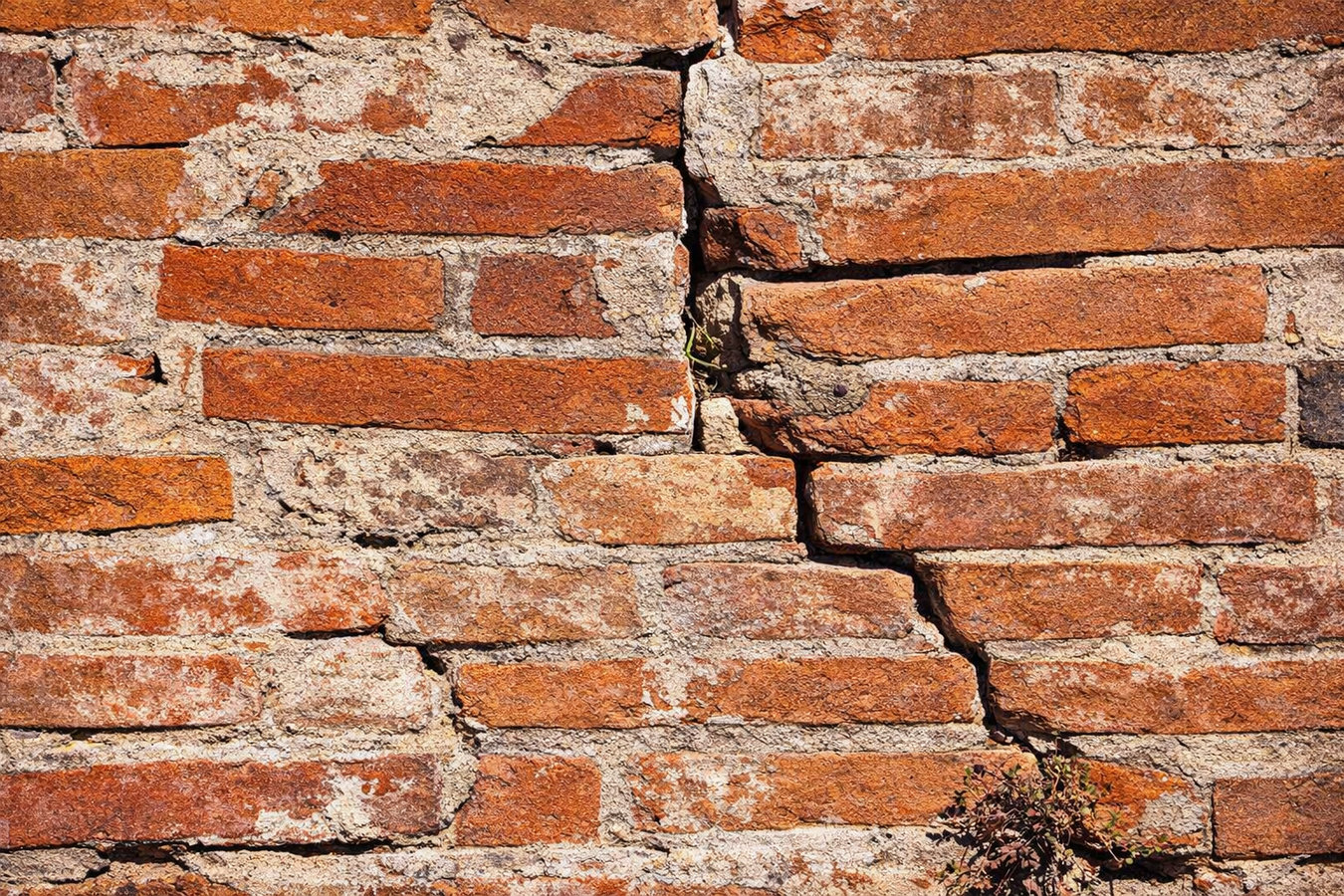
Foundation repair in Spokane Valley addresses cracks, settling, and bowing walls by stabilizing or lifting the structure back toward its original position, and most jobs wrap up in one to three days. The goal is to stop movement so the damage stops getting worse - not just patch over the surface.
If you are seeing cracks appear in your basement, doors that suddenly stick, or floors that feel off-level, those signs are worth taking seriously - especially in Spokane Valley, where freeze-thaw cycles and loess soil put real stress on foundations every year. Many homeowners are surprised to learn the problem is more straightforward to fix than it looks. The key is acting before a small issue becomes a major one. If your home also shows signs of deteriorating masonry above the foundation, our chimney repair service addresses those issues separately.
Horizontal cracks across a basement wall or stair-step cracks following mortar lines in a block wall are signs the wall is under pressure. In Spokane Valley, these often appear or worsen after a wet spring or a hard freeze. Waiting means the wall can start to bow inward - a much more expensive fix.
When a foundation shifts, door and window frames shift with it. Doors that used to open smoothly start to drag or leave gaps at the corners. This is one of the most common early signs and often shows up in spring after a winter of freeze-thaw cycles. If several doors in the same part of the house are affected, that pattern matters.
A floor that has developed a noticeable slope - especially toward the center of the house or an exterior wall - can indicate uneven foundation settlement. This is common in Spokane Valley homes built on loess soil, where uneven saturation during snowmelt causes one section of the foundation to sink more than another.
If water seeps through basement walls or pools on the floor after heavy rain or when snow melts in spring, water is finding a path through cracks or gaps in the foundation. Spokane Valley's spring snowmelt season is a common trigger. Left unaddressed, that water weakens the foundation over time and the intrusion gets worse each year.
Most foundation repairs fall into one of two categories - stabilization or lifting. Stabilization uses steel piers or wall anchors driven into stable soil below the problem zone to stop further movement. Lifting uses those same piers to push the foundation back toward its original position. We also address the drainage issues that often cause or worsen foundation problems in the first place, because fixing the structure without fixing the water is like patching a leak without turning off the tap.
For homes with concrete block perimeter walls, we also offer foundation block wall installation when an existing wall has deteriorated beyond what repair can address. Every job includes a written estimate, permit handling, and a warranty on labor and materials.
Best for homes where the foundation has settled unevenly and needs to be stabilized or lifted back toward its original level.
Suited for basement walls that are bowing inward due to soil pressure, stopping further movement and providing long-term lateral support.
Appropriate for stable cracks that allow water intrusion but do not indicate active structural movement - seals the gap and stops moisture from entering.
Recommended when poor drainage around the home is contributing to soil saturation and foundation movement - addresses the cause, not just the symptom.
For homeowners who want a professional opinion before deciding on any repair - includes a full exterior and interior walkthrough with a plain-language summary.
Spokane Valley's semi-arid high desert climate brings repeated freeze-thaw cycles every winter - temperatures drop below freezing, then climb back above it, sometimes multiple times in a single week. Each cycle puts stress on the soil and on the concrete sitting in it. The local soil makes things harder: much of Spokane Valley sits on loess, a fine wind-deposited silt that loses its load-bearing ability when it gets wet. Spring snowmelt saturates this soil, causing uneven settlement that homeowners often discover only after the damage has been building for years. Homes built between the 1950s and 1980s - which make up a large share of local housing stock - were often constructed on shallow footings without modern drainage systems, making them more vulnerable to these conditions. For a well-sourced overview of how soil conditions affect foundation stability, the Washington State University Extension publishes research on Eastern Washington soils and drainage.
We serve homeowners across the Spokane Valley area, including Spokane Valley and nearby Spokane. If you are in either area and have noticed cracks, sticking doors, or water in the basement, a free assessment is the fastest way to find out what you are actually dealing with.
Tell us what you are seeing - cracks, sticking doors, water, or something else. We will schedule a free on-site assessment and respond within one business day.
We walk through your basement and around the exterior, check for cracks and drainage problems, and explain what we find in plain language. You get a written estimate before agreeing to anything - no pressure, no vague answers.
We pull the required permit through the City of Spokane Valley's building department - you don't have to deal with that paperwork. Once the permit is approved, we give you a start date.
Most jobs wrap up in one to three days. You can stay in your home throughout. After completion, the city inspector verifies the work, we clean up, and you receive written documentation and your warranty.
We will walk your property, explain exactly what we see, and give you a written estimate. No obligation, no sales pitch. Most responses within one business day.
(509) 508-5560We work in Spokane Valley's loess soil and freeze-thaw conditions every season. Our repair methods account for how deep piers need to go to reach stable ground here and how local drainage patterns affect long-term results - not a generic fix copied from a different region.
We pull permits through the City of Spokane Valley's building department and schedule the required inspection as part of every structural repair job. That paper trail protects your home's value and removes a common source of headaches when it comes time to sell.
Every repair we do comes with a written warranty. You receive documentation showing exactly what was done and what is covered - so there is no guessing later about what the repair included or how long it is guaranteed to hold.
Washington State requires structural contractors to be licensed through the Department of Labor and Industries - you can verify any contractor's license at lni.wa.gov. Licensing means your repair is held to Washington's building standards and you have state-backed recourse if something goes wrong.
We bring local knowledge, proper permits, and written warranties to every foundation repair job in Spokane Valley - giving you a repair that is documented, inspected, and built to handle this specific climate.
Crumbling mortar, a damaged cap, or water getting into your chimney - we diagnose and fix the problem before Spokane Valley winters make it worse.
Learn MoreWhen an existing foundation wall has deteriorated beyond what repair alone can address, we install new concrete block walls built to current standards.
Learn MoreSpring snowmelt puts real pressure on local foundations every year. The sooner the repair is done, the less damage you are dealing with - and the less it costs to fix.