
Loading...
Serving Spokane Valley, WA and surrounding areas. (509) 508-5560
Wood fences warp, rot, and need replacing every few years in this climate. A properly built brick wall holds its ground through decades of Spokane Valley winters and never needs repainting or restaining.
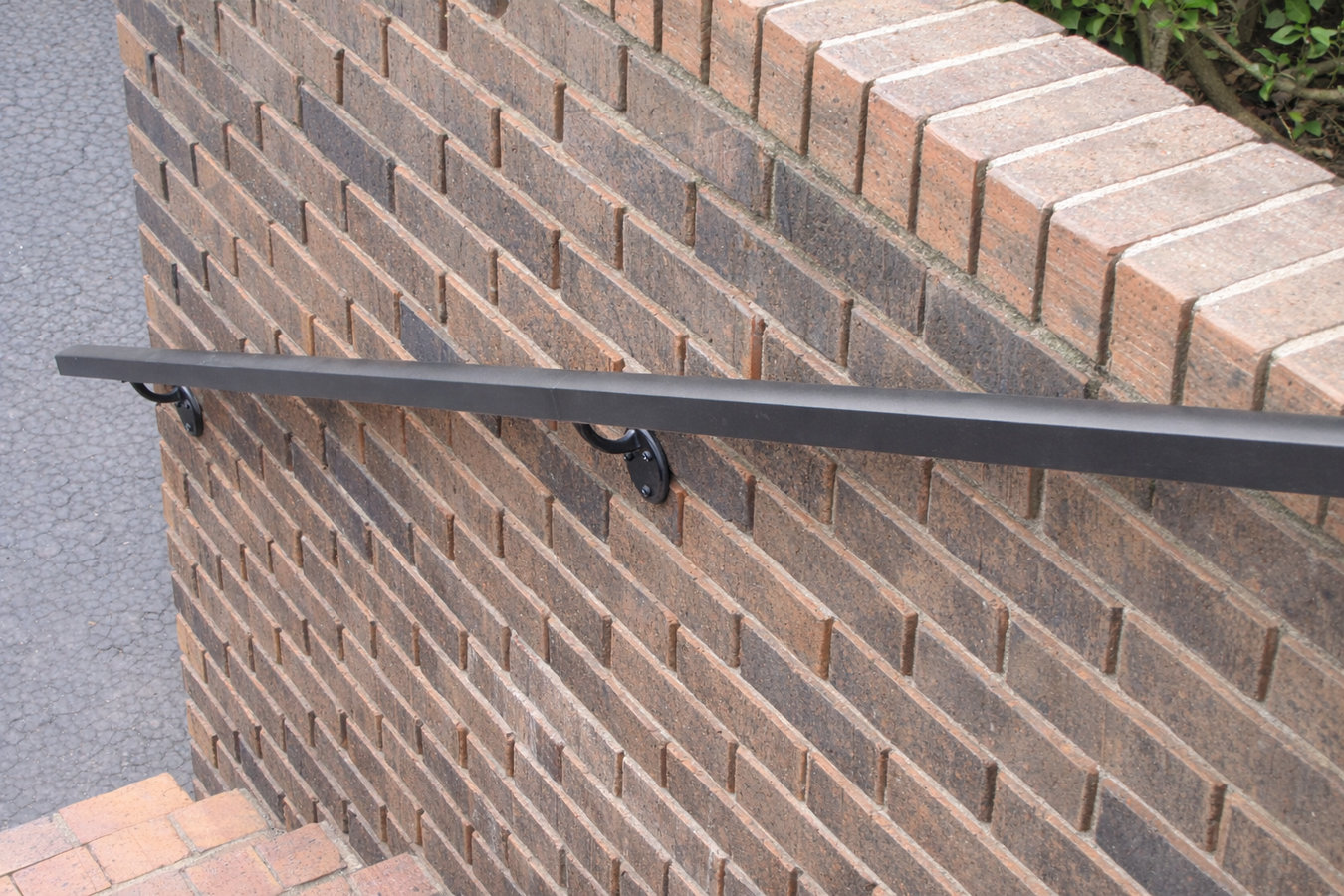
Brick wall installation in Spokane Valley means digging a concrete footing to anchor the wall, then laying course by course of freeze-rated brick in the right mortar mix - most short garden walls take one to two days, while retaining or privacy walls run three to five days depending on height and length.
The part you cannot see after the job is done - the footing underneath - is what determines whether a wall stands straight for fifty years or starts leaning after a wet winter. Spokane Valley's soil is a mix of glacial outwash and volcanic material that can drain quickly in some spots and hold moisture in others. A mason who works regularly in this area knows to check those conditions before sizing a footing. The brick and mortar choices matter just as much: bricks rated for severe weather exposure and a mortar formula that handles repeated freeze-thaw cycles are not optional upgrades here - they are the baseline for work that lasts. For smaller masonry repairs nearby, our brick repair service handles existing wall sections without a full rebuild.
The Brick Industry Association publishes technical standards on brick grades, mortar mixes, and freeze-thaw performance - the same guidance our masons follow when specifying materials for Spokane Valley projects.
If a wall that used to stand straight is now tilting - even slightly - that is a sign the footing beneath it has shifted. In Spokane Valley, this often happens after a wet winter when soil expands and contracts. A leaning wall will not fix itself, and waiting usually means a more expensive repair or a full rebuild.
Run your finger along the joints between bricks. If the mortar feels soft, crumbles easily, or has gaps where it used to be solid, water is getting in. Spokane Valley's freeze-thaw winters accelerate this - water enters the joint, freezes, expands, and pushes the mortar out a little more each cycle. Catching this early means a repair; ignoring it long enough means a rebuild.
If part of your yard slopes and you are losing soil, mulch, or plantings every spring, a brick retaining wall can hold that grade permanently. This is a common situation in Spokane Valley neighborhoods built on the valley's natural terrain, where lots often have uneven grades that standard landscaping cannot hold on its own.
Wood fences in Spokane Valley deal with hot, dry summers and cold, wet winters - a combination that warps boards, rots posts, and fades stain within a few years. If you have replaced a fence more than once and want something that does not need repainting or replacing, a brick wall is worth the higher upfront cost.
We install brick walls for Spokane Valley homeowners across a range of applications - garden borders, privacy walls, retaining walls, and decorative front-yard structures. Every project starts with an on-site visit where we assess soil conditions, slope, drainage, and HOA requirements before anything gets priced. Permits for walls over certain heights go through the City of Spokane Valley's Community Development office - we handle that application and coordinate the inspector visit so you do not have to. For projects that include stone-based finishes alongside brick - or for decorative accent walls with a natural stone look - our stone masonry service can be built alongside the brick work in the same project.
Material selection is part of the conversation before any digging starts. We specify severe-weather-grade brick - denser, less porous, and designed to handle Spokane Valley's repeated freeze-thaw cycles without cracking. The mortar formula is matched to the climate too, because the wrong mix can begin failing within a season. Older walls with crumbling joints that do not yet need a full rebuild can also be addressed through our brick repair service, which handles repointing and localized masonry work without tearing out a structurally sound wall.
Best for homeowners who want a low decorative wall to define a planting bed, border a patio, or frame a front yard entry without full privacy height.
Right for homeowners who want a permanent sound and sight barrier that replaces a failing wood fence and does not need maintenance every few years.
A good fit for yards with grade changes that are losing soil or making it difficult to use the sloped portion of the property productively.
For homeowners who want to frame a driveway entry or front walkway with a permanent masonry structure that adds curb appeal and value to the property.
Suited for homeowners redesigning a yard who need a built-in brick element as part of a larger patio, raised bed, or outdoor living project.
Spokane Valley averages around 100 frost days per year, and temperatures regularly swing above and below freezing in fall and spring. That repeated freezing and thawing puts stress on mortar joints and any brick that was not specified for severe weather exposure. A contractor who does not understand this will use materials that look fine on the day they are installed but begin failing after the first winter or two. The soil here adds another variable: glacial outwash drains quickly in some areas of the valley and holds moisture in others, which affects how footings are sized and how retaining walls need to be drained. Homeowners in Spokane and Liberty Lake face the same conditions, and our crews work across the entire region with that knowledge on every job.
The build season here is also more compressed than in warmer parts of the country. Mortar cannot be laid when temperatures are near or below 40 degrees Fahrenheit, which limits reliable masonry work to roughly May through September. Summer is when demand peaks, and the best contractors book out four to six weeks ahead in July. If you are planning a brick wall project, reaching out in late winter or early spring gives you the best shot at your preferred timeline. Spokane Valley also has its own permitting office - separate from the City of Spokane - and we know that process well, including when a permit is required and how long it typically takes to clear.
We typically respond within one business day. Rather than quoting over the phone, we schedule an on-site visit - site conditions in Spokane Valley, including slope, soil, and access, affect the price enough that a phone estimate would not be reliable.
We walk the area with you, assess soil and drainage, and talk through HOA requirements if your neighborhood has an association. You get a written estimate that covers what is included, the brick and mortar specifications, and what the permit process looks like for your project.
If a permit is required, we handle the application with the City of Spokane Valley - this typically adds one to two weeks to the timeline. Once permits are approved, the crew digs the footing trench, pours concrete, and allows it to cure before bricklaying begins.
The crew lays brick in courses, checking for level and plumb throughout. When the mortar sets, we clean the wall surface, remove debris, and coordinate the city inspector visit if a permit was pulled. We then walk the finished wall with you and explain what to watch for in the first season.
No pressure, no obligation. We visit your property and give you a written quote you can compare. Typical response within one business day.
(509) 508-5560We specify severe-weather-grade brick and the correct mortar formulation for Spokane Valley's climate before any work is priced. Contractors who skip this conversation are using materials that may not survive the first hard winter - ask any contractor you are comparing what grade of brick they plan to use, and why.
Frost depth in Spokane Valley typically reaches 12 to 18 inches, and footings have to be set below that line to avoid heaving. We dig to the depth the soil and local conditions require, not just to a national minimum, because a wall is only as solid as what is underneath it.
Spokane Valley uses its own permitting office, separate from the City of Spokane. We know the current permit thresholds for wall height and pull the application on your behalf, coordinating the inspector sign-off so you are protected if you ever sell your home or need to make an insurance claim. You can check contractor licensing through the Washington State L&I lookup - we hold that registration in good standing.
One of the biggest concerns homeowners have is a low quote that climbs once work starts. We provide a detailed written estimate after visiting your property in person, explaining what is included and what factors could change the price. No sticker-shock invoices when the job is done.
Climate-appropriate materials, footings that handle local frost depth, and a permit process handled without hassle are what separate a brick wall that lasts from one that becomes a repair project within a few years.
Natural stone walls, columns, and structures installed alongside brick work for a mixed-material look that holds up through Spokane Valley winters.
Learn MoreLocalized repair and repointing for existing brick walls that are still structurally sound but have crumbling joints or damaged sections.
Learn MoreSpokane Valley's summer build season fills up fast - reach out now to lock in your spot before the best dates are gone.