
Loading...
Serving Spokane Valley, WA and surrounding areas. (509) 508-5560
Failing mortar joints let water in, and Spokane Valley winters turn that water into a force that breaks brick from the inside. Repointing now is a fraction of the cost of replacing damaged bricks later.
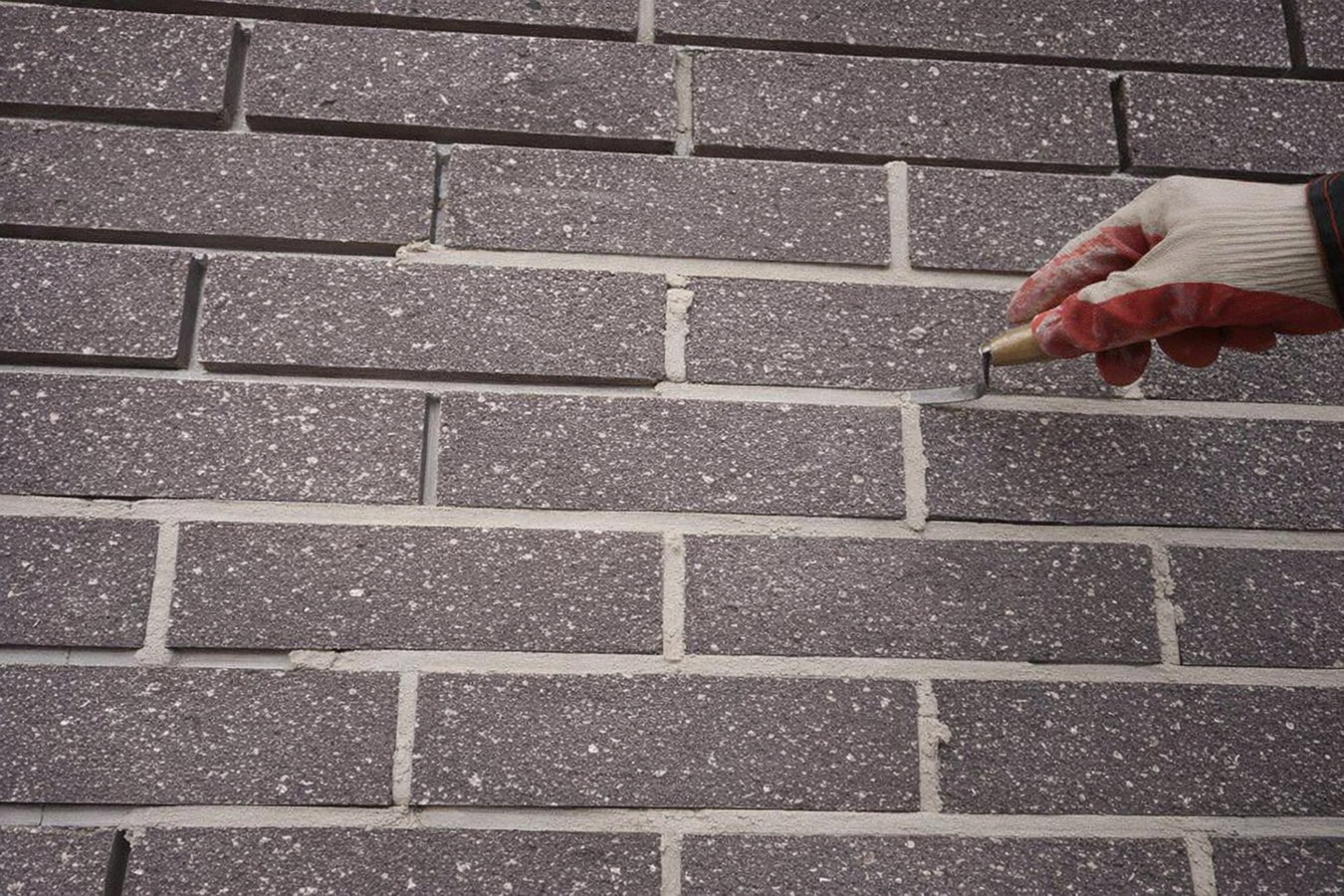
Brick pointing in Spokane Valley means carefully removing old, failing mortar to a depth of about three-quarters of an inch and packing in fresh mortar matched to your specific brick type - most chimney or single-wall jobs complete in one to two days, while a full exterior wall runs three to five days.
Mortar is softer than brick by design. It is meant to absorb movement and stress so the bricks themselves do not crack. Over decades - especially in a climate like Spokane Valley that delivers roughly 100 freeze-thaw cycles per year - that mortar weathers, shrinks, and eventually crumbles. Water gets into the gap, freezes, expands, and pushes the joint a little wider each cycle. If you catch it at the mortar stage, repointing is a straightforward repair. If you wait until bricks start cracking or shifting, the cost multiplies quickly. The National Park Service Preservation Brief on repointing is the authoritative reference on mortar selection and removal depth for historic and older brick - particularly relevant for Spokane Valley homes built before 1980. For structures where the damage has already progressed to the bricks themselves, our masonry restoration service handles the broader repair work.
Walk up close to your brick wall, chimney, or fireplace surround and look at the lines between the bricks. If those lines look sunken, crumbly, sandy, or have visible gaps, the mortar is failing. Press your fingertip against a joint - if it gives way easily, the mortar has lost its strength and water is already finding a path in.
The chalky white residue called efflorescence appears when water moves through a wall and deposits mineral salts on the surface as it evaporates. In Spokane Valley, where freeze-thaw cycles push moisture through masonry repeatedly each winter, this staining is a reliable early warning that water is entering through failing joints - often well before the mortar looks alarming from a distance.
After a Spokane Valley winter, look at your chimney from the ground - binoculars help if the chimney is tall. If the mortar between chimney bricks looks rough, flaky, or recessed compared to the brick faces, freeze-thaw damage has been at work. Chimney mortar fails faster than wall mortar because it is exposed on all four sides to weather, heat cycling, and moisture from above.
If you notice damp spots on an interior wall that shares a face with exterior brickwork, or water staining inside your fireplace after rain, failed mortar joints are a likely entry point. In Spokane Valley's wet fall and spring seasons, water finds every gap it can. Deteriorated mortar is one of the most common ways it gets into a home undetected until damage is already done.
We handle brick pointing for chimneys, exterior walls, garden walls, fireplace surrounds, and steps across Spokane Valley. The process is the same on every job: we remove old mortar to the correct depth using a small angle grinder or hand chisels, then pack in fresh mortar that is matched in hardness and color to your specific brick. Mortar hardness matching is not a cosmetic decision - using a mix that is too hard for older brick causes the bricks themselves to crack, which is a far more expensive problem than the failing joints you started with. Homes in Spokane Valley built before 1960 require particular care here. For full structural rebuilding of sections that have deteriorated beyond repointing, our masonry restoration service handles the broader repair work while pointing handles the adjacent joints in the same visit.
Chimneys are a priority in Spokane Valley because wood-burning fireplaces and stoves are common here, and chimneys take more punishment than any other brick structure on a house - exposed on all sides to weather, heat cycling, and moisture from above. The Chimney Safety Institute of America recommends annual chimney inspections, and a mason doing pointing work will often spot mortar issues a homeowner would never notice from the ground. For larger masonry work that goes beyond joint repair - cracked or spalling bricks that need replacing - our foundation repair team handles the structural side of masonry failures on the same property visit when needed.
Best for homeowners with a wood-burning fireplace or stove who want to confirm their chimney is tight before the cold season and before another Spokane Valley winter works on the joints.
For homes where mortar joints on an exterior brick wall have started to look recessed or crumbly and the homeowner wants to stop water infiltration before damage reaches the interior.
Suits homeowners with older garden walls or brick steps where the mortar has started to crumble but the brick itself is still structurally sound.
For interior brick fireplace surrounds where mortar joints have loosened over years of heat cycling and the homeowner wants to restore a tight, well-finished appearance.
Ideal for homeowners who have one or two sections of an otherwise sound wall where freeze-thaw damage has advanced faster than the rest of the structure.
For pre-1960 Spokane Valley homes where the original mortar must be matched in both hardness and color to protect older, softer brick from cracking under a harder modern mix.
Spokane Valley experiences significant temperature swings - winters that regularly dip below freezing and springs that warm quickly. Every time water in a mortar joint freezes and thaws, it expands and contracts, slowly widening cracks over years. The area delivers roughly 100 freeze-thaw cycles per year, which means mortar here deteriorates faster than in milder Pacific Northwest cities like Seattle. If your home was built before 1980 and the brickwork has never been touched, pointing may be overdue even if the joints do not look alarming from the street. Homeowners in Millwood and Spokane face the same climate conditions and call us regularly for chimney and wall pointing before each heating season.
Spokane Valley also has a specific dry-summer, wet-fall stress pattern that is different from consistently wet climates. Brickwork dries out significantly over the hot summer, causing mortar to shrink slightly. When fall rains arrive, that dried-out mortar absorbs moisture quickly. This repeated wet-dry cycling accelerates joint deterioration on south- and west-facing walls that get the most sun exposure - exactly the walls that are hardest to inspect from inside the house. Much of the housing stock in established Spokane Valley neighborhoods was built between the 1950s and 1970s, and mortar from that era has often reached or exceeded its natural 25-to-50-year lifespan. Routine brick pointing now is almost always less expensive than the brick repair or wall rebuilding that follows a season or two of ignored joint failure.
Tell us what type of structure needs work - chimney, exterior wall, steps - and roughly how long you have noticed the problem. We respond within one business day and schedule an on-site visit before any price is given.
We walk the work area with you and look closely at the mortar joints - checking depth of damage, whether bricks are loose, and what mortar type was originally used. You get a written estimate covering scope and price before anything starts.
We grind or chisel out old mortar to the correct depth, then pack in fresh mortar by hand and tool it to match the original joint profile. A chimney or small wall section takes one to two days. A full exterior wall runs three to five days.
We walk the finished work with you before packing up. Fresh mortar needs 24 to 48 hours before it can get wet and up to a week to reach full strength - we explain what to avoid and clean up the site completely before we leave.
We visit the site before quoting - no phone guesses, no surprises. You hear back within one business day.
(509) 508-5560Using the wrong mortar hardness is one of the most common and costly mistakes in repointing work. We assess the brick type before choosing a replacement mix - this matters most on Spokane Valley homes built before 1960, where original softer mortars need a soft replacement rather than a hard modern mix that would stress the brick itself.
We hold a current Washington State contractor registration - you can confirm it through the Department of Labor and Industries lookup tool in about two minutes. That registration confirms we are bonded and insured. Verifying contractor credentials is always worth doing before any masonry work begins.
Shallow pointing - filling over old mortar without removing it to the right depth - looks fine for one or two seasons and then fails completely. We remove mortar to approximately three-quarters of an inch on every joint before new material goes in. That depth is the difference between a repair that holds for 25 years and one that needs redoing within three.
The condition of existing mortar, wall accessibility, and whether scaffolding is needed all affect the real cost of pointing work - and none of these are visible in a photo. We visit every Spokane Valley site in person before writing an estimate, and we do not charge for that visit.
Brick pointing done right is one of the highest-value masonry repairs a Spokane Valley homeowner can make - it costs a fraction of brick replacement and extends the life of the wall by decades. That math only holds if the work is done with the right mortar and to the right depth, which is what we focus on on every job.
Address structural masonry failures at the foundation level before they migrate up the wall.
Learn MoreRebuild or repair sections of brick and stone masonry where damage has progressed beyond joint repointing.
Learn MoreSpokane Valley's pointing season closes fast once temperatures drop - reach out now and we will schedule your site visit this week.